The decisions you make when searching for or preparing to sell an Atlanta home do more than affect today’s sale price. They set a path for appreciation, rental demand, and resale speed for years to come. Whether you are focused on new construction in intown neighborhoods or resale properties in the suburbs, understanding which everyday choices compound into lasting value helps buyers and sellers make smarter moves in Atlanta's evolving market.
Start with location choices that matter beyond curb appeal. Proximity to transit corridors, the BeltLine, quality schools, and walkable commercial nodes often outperforms cosmetic upgrades when measured over a decade. Look for neighborhoods with planned infrastructure projects, stable enrollment in nearby schools, and a mix of single family and multifamily development. These are the micro factors that create steady buyer demand even when macro conditions shift.
When evaluating a specific property, separate durable value drivers from temporary trends. Durable drivers include lot depth and orientation, ceiling heights and natural light, modern floorplan flow, and the potential to add living space or an accessory dwelling unit. Short lived trends include ultra niche finishes or fashion-driven design that may be costly to replace. For buyers, prioritize homes that allow practical improvements; for sellers, highlight features buyers cannot easily recreate.
New construction in Atlanta offers predictable systems, warranties, and modern layouts. It can command a premium, but think in terms of lifecycle costs and resale buyers five years from now. Ask builders about energy efficiency, foundation details, and future neighborhood build out. For resale homes, inspections reveal negotiation leverage: roofs, HVAC, and drainage issues are common value killers in our humid climate. Addressing those before listing often broadens the buyer pool and reduces appraisal risk.
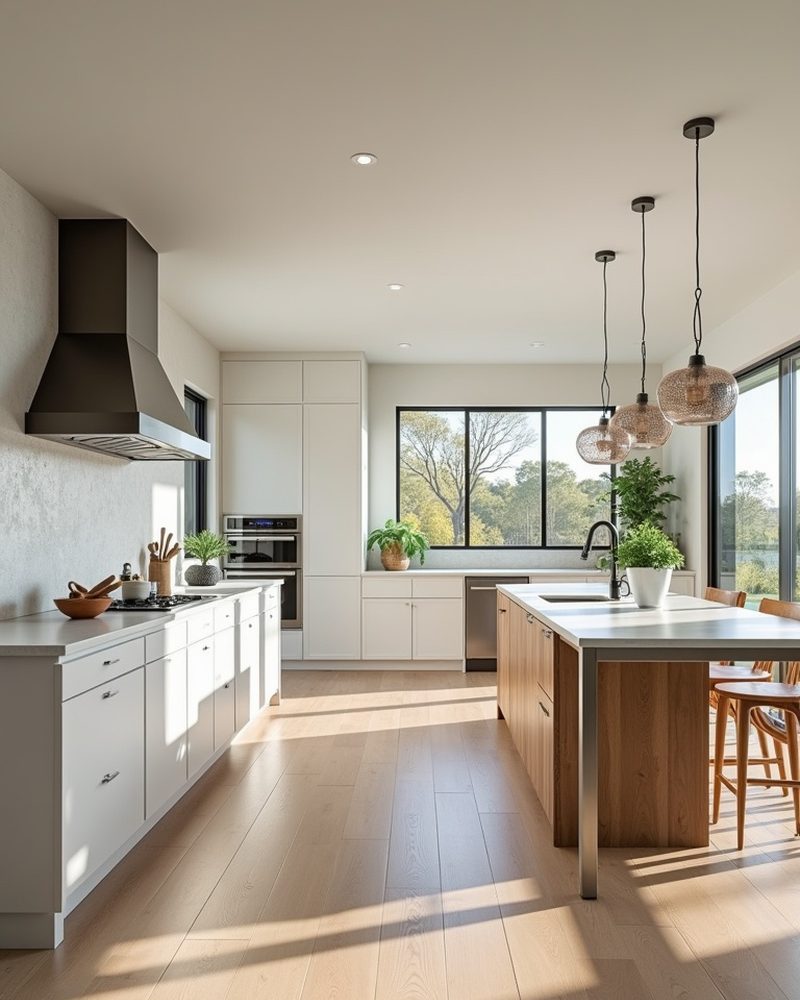
Small strategic upgrades yield the best return for sellers. Kitchen functionality, durable flooring in primary living areas, and a neutral paint palette appeal to the widest audience. Outdoor spaces matter in Atlanta where outdoor living extends most of the year. Clean landscaping, usable patios, and privacy earn outsized returns. Avoid over improving for your immediate neighborhood; compare similar recent sales to set realistic budgets that maximize return on investment.
Price position your listing to capture motivated buyers and strong offers. Overpricing creates downward pressure over time and amplifies days on market. Work with an agent who provides a competitive market analysis and a plan to reach buyers across search platforms and social feeds. For buyers, strong offers that respect comps and contingencies win in markets with limited inventory, while creative terms such as flexible closing windows can persuade sellers without necessarily raising price.
Understand how financing and interest rate shifts change buyer behavior. When mortgage rates rise, affordability tightens and buyers trade down on size or location. That can create pockets of opportunity for sellers in well-priced, move-in ready homes in desirable micro-markets. For investors, build stress-tested numbers around realistic rent growth and vacancy assumptions rather than optimistic scenarios.
Schools, zoning, and local policy shifts can change neighborhood desirability over time. Track city and county planning meetings, rezoning proposals, and major employment moves nearby. A new corporate campus, transit stop, or school renovation can lift values in ways that are hard to retrofit into homes later. Buyers who understand these forward-looking signals often capture lasting upside.
Prepare for inspections and appraisals by organizing maintenance records and permits. Clear documentation of upgrades such as HVAC replacement, roof work, and permitted additions reduces appraisal friction and increases buyer confidence. Sellers who can show a maintenance history are more likely to close quickly and at a stronger price.
For landlords and investors, tenant demand in Atlanta centers on location, unit condition, and amenities that save time. Proximity to transit, grocery stores, and employers matters, but so do reliable internet, secure package access, and low maintenance exteriors. Consider systems upgrades that reduce operating headaches and improve net operating income over time.
Marketing matters for both buyers and sellers. Buyers who embrace local market data and set clear priorities are more likely to find the right home. Sellers who tell a clean story with professional photos, measured staging, and transparent disclosures attract higher quality offers. Use local search terms like Atlanta new construction, Atlanta resale homes, intown Atlanta neighborhoods, and specific community names when crafting online listings to improve visibility in search engines.
If you want tailored guidance on which choices
