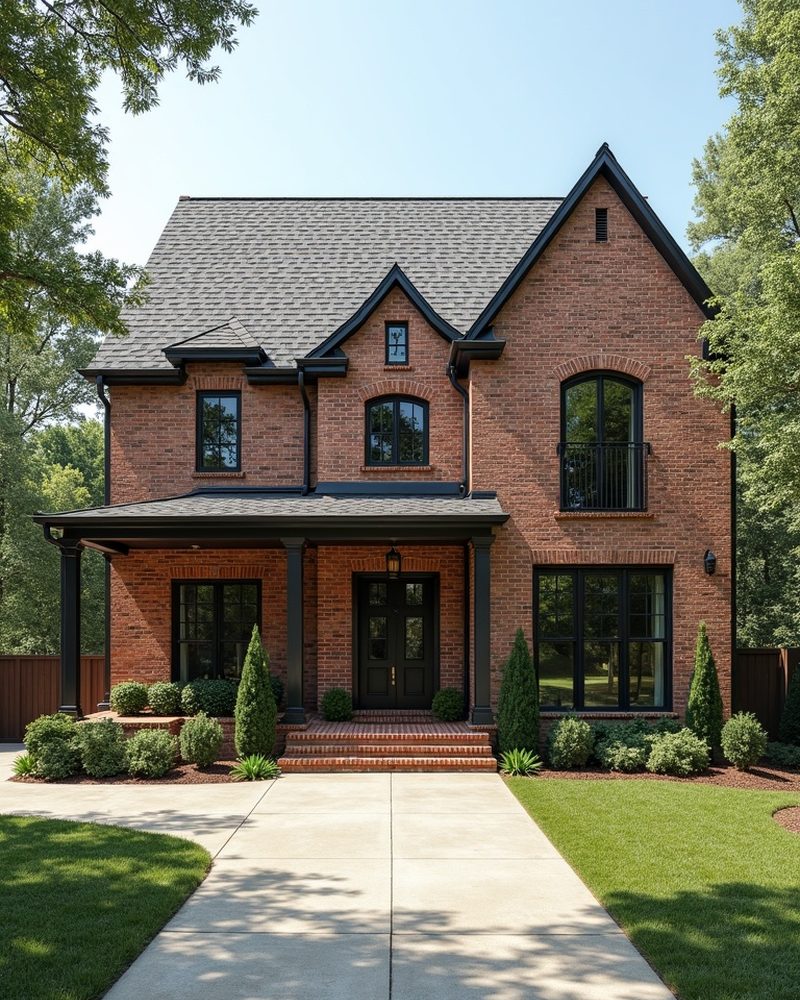
Atlanta home shoppers and sellers are increasingly making decisions at the scale of a block or a corridor instead of the whole city. That pocket-level focus matters because new parks, transit stops, school boundary shifts, and infill new construction can move value faster than broader market averages. Whether you plan to buy or sell, learning how to read those pocket priorities will help you make smarter offers, renovations, and pricing choices that stand up over time.
Start with what actually drives buyers to a specific pocket. Commute time and transit access remain top factors, but so do walkability, small local retail, and green space. New construction often leads these changes by bringing density, modern design, and immediate buyer interest. For sellers, being near a planned amenity can be a selling point long before the project is finished. For buyers, proximity can create appreciation—but timing and timeline matter. Ask when a project is permitted, funded, and likely to be completed, not just whether it is proposed.
Understand the difference between speculative value and realized value. Speculative value is the premium a neighborhood fetches when a high-profile project is announced. Realized value arrives when the project is complete and local demand supports sustained pricing. Savvy buyers can capture upside by buying pockets with clear, funded improvements and stable fundamentals such as strong schools, low crime, and employment centers nearby. Sellers can turn speculative interest into a stronger listing price by documenting approvals, timelines, and nearby builder activity in their property disclosures and marketing.
New construction changes pocket economics in three predictable ways. First, it raises the local baseline for finishes and energy efficiency, which sets buyer expectations. Second, it increases inventory temporarily but often attracts buyers who might have otherwise looked elsewhere. Third, it reveals which micro markets can support higher price points. Buyers who prefer resale should compare comparable new builds in the pocket to anticipate renovation needs and future resale comps. Sellers should highlight energy-efficient features, warranties, and design upgrades that put their older home in the conversation with new options.
Location details that rarely show up in headline market reports can make a big difference. Look for short-term planning items such as sidewalk projects, zoning updates that allow accessory dwelling units or increased density, and local incentives for commercial tenants. These often appear in city council agendas, neighborhood association notices, or builder filings. If you want a property that holds value, prioritize pockets with solid infrastructure plans and active investment rather than only speculative buzz.
Practical home features that keep value steady in Atlanta include adaptable floor plans, outdoor space that accommodates Atlanta's climate, and systems that reduce long-term costs like efficient HVAC and modern insulation. For buyers, modest investments in these areas at purchase time can reduce carrying costs and improve attractiveness to future buyers. For sellers, minor updates targeted to current buyer expectations — neutral paint, key bathroom refreshes, and curb appeal that works in photos — often deliver the best return on investment.
Timing strategies differ for buyers and sellers. If you are buying into a pocket with major planned improvements, weigh whether to pay a premium now or wait until key milestones are completed and more data on demand exists. Sellers in the same pocket should consider accelerating listing plans to catch early adopter demand or hold for completed projects to maximize price, depending on carrying costs and personal timing.
Data matters. Look beyond broad city averages to sales velocity, DOM trends, and price per square foot within the specific pocket you care about. Local MLS filters can show recent comparable sales within a few blocks, and public records reveal permit activity that signals upcoming change. Working with an agent who tracks block-by-block movement in Atlanta will help you interpret this data in actionable ways.
If you want help identifying the right Atlanta pocket for your goals or positioning a home to sell where future amenities are already priced in, call The Rains Team at 404-620-4571. We combine new construction insight with neighborhood-level data to guide both buyers and sellers toward decisions that hold value over time. Learn more about our approach at
www.atlnewconstruction.com and see neighborhood trends we follow across the Atlanta market.
Pocket-level decisions are where Atlanta real estate value is made and preserved. Focus on funded improvements, realistic timelines, adaptable homes, and local data — and you will be better positioned to buy smart or sell strong in this changing market.
