Atlanta real estate can feel like a moving target, but experienced buyers and sellers learn to spot a small set of signals that matter more than headlines. Whether you are planning to buy a newly built home or sell a long loved property, focusing on the right neighborhood cues will help you make decisions that deliver value today and stand the test of time.
Start with neighborhood fundamentals that rarely change: schools, commute patterns, local retail and walkability. These factors influence daily life for residents and consistently shape demand. In Atlanta, that means looking beyond flashy development announcements and verifying whether new shops, quality schools, or transit options are actually improving convenience for residents rather than just creating short lived buzz.
Pay attention to infrastructure projects that alter real commuting times. Major corridor improvements, MARTA expansions, and traffic flow adjustments change buyer interest in specific pockets. Instead of assuming a project will instantly translate to higher prices, ask how close the property is to the real benefit: actual transit stops, safer intersections, or new job centers. That practical proximity is what buyers pay for when prices rise.
For sellers, the same signals help you position your property. If your home sits on a street slated for streetscape improvements or within walking distance of a new grocery or restaurant cluster, highlight those facts in your listing and neighborhood description. Buyers are drawn to real lifestyle upgrades they can see and use.
New construction in Atlanta brings opportunities and challenges. New builds offer modern systems, warranties, and efficient layouts that appeal to many buyers, but resale performance depends on community design, lot placement, and long term HOA policies. When evaluating new construction as a buyer, probe items like builder reputation, future phases, and deed restrictions. When selling a resale home against a new build, emphasize character, mature landscaping, lot size, and finished basements that many new homes do not offer.
Local market health matters more than national headlines. Track inventory trends in the specific neighborhoods you care about rather than broad city averages. Micro supply constraints or surpluses can swing negotiation leverage quickly. Smart agents use neighborhood level data to set price bands that attract buyers while protecting seller value.
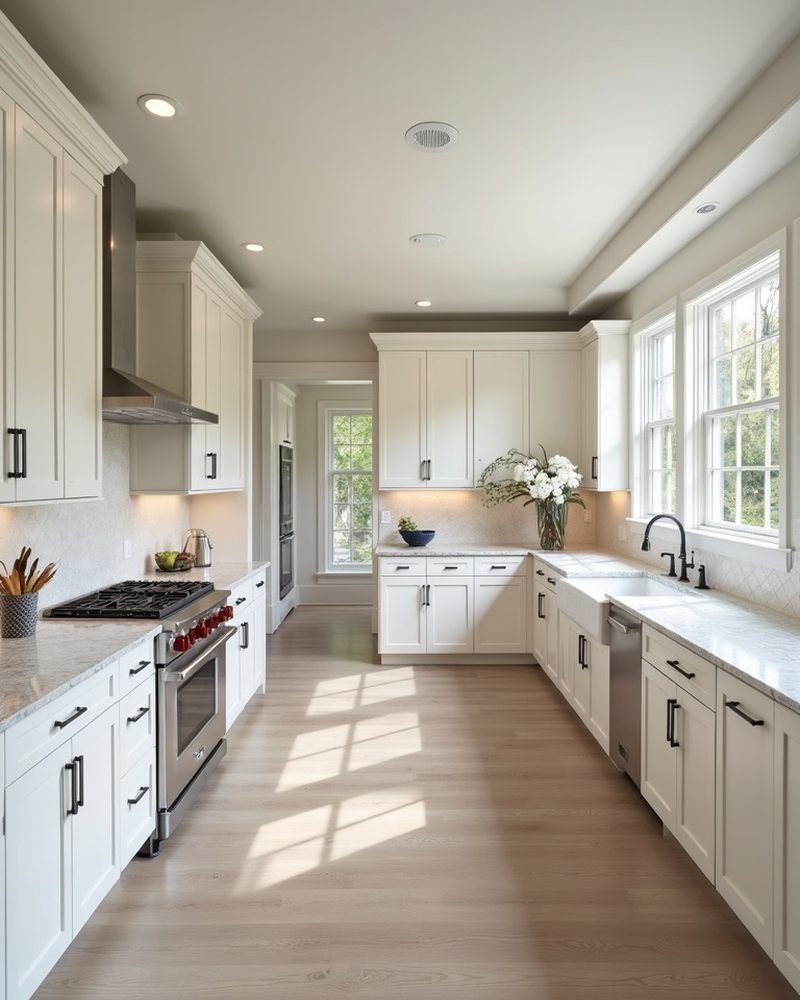
Home condition and small, targeted upgrades often yield the strongest returns. Focus on the things buyers notice in the first 30 seconds: fresh paint, clean landscaping, updated entry lighting, and decluttered interiors. Kitchens and baths still sell homes, but cosmetic refreshes and staging frequently convert curiosity into contract faster than large scale renovations do.
If you are an investor or planning to hold for several years, look for neighborhood signs of sustained demand: steady job growth nearby, diverse housing stock, and a pipeline of amenities that raise livability without overbuilding. Avoid areas where short lived speculative projects dominate the planning pipeline; sustainable demand comes from real resident needs.
Here is a practical checklist to use when assessing any Atlanta neighborhood or property:
Neighborhood Checklist
- Commute time to your top destinations including traffic patterns at peak hours
- Proximity to transit stops and the likely timeline for completed service improvements
- School options and enrollment trends for nearby elementary and middle schools
- Retail mix that supports daily life such as grocery, pharmacy, and casual dining
- Builder track record and HOA rules for new construction communities
- Utility and maintenance costs for older homes versus newer homes with modern systems
- Recent comparable sales and current active listings within a one mile radius
- Walkability and safety measures like sidewalks, lighting, and visible property maintenance
Use these items to build a concise neighborhood
